
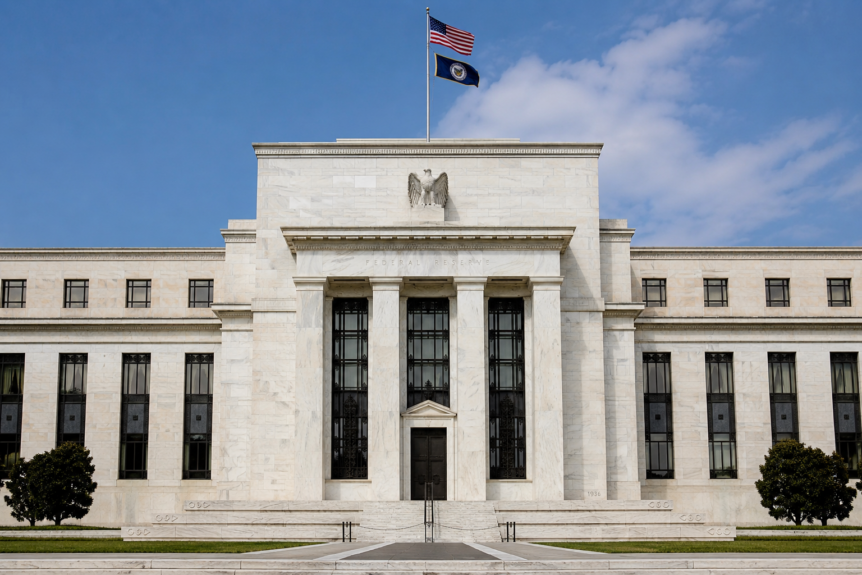
The federal financial landscape experienced its biggest leadership transition in years when Kevin Warsh officially took the reins as the new Federal Reserve Chair, succeeding Jerome Powell.
For business owners, investors, and families navigating a sticky inflation environment, this change is the focal point of the economic outlook. With Warsh in the driver’s seat, the primary question is clear: What are the realistic chances that interest rates will be cut in 2026?
While a chorus of Wall Street analysts is currently preaching a “higher-for-longer” narrative, looking strictly at past data misses the bigger picture. When you dig into the shifting diplomatic landscape and emerging domestic economic trends, there is a powerful case for optimism.
The Warsh Playbook: Practicality Over Ideology
Kevin Warsh is a highly respected, seasoned hand who served as a Federal Reserve Governor during the Global Financial Crisis. He is deeply familiar with navigating the central bank through volatile macroeconomic environments.
Hi background in both private financial markets and public policy offer a robust perspective. While some initial commentary labeled him a traditional hawk, his unique perspective means he is unlikely to keep rates elevated just for the sake of ideology. Instead, his leadership brings a fresh, data-driven perspective to the FOMC that focuses heavily on solving the root causes of supply-side inflation.
The Global Catalyst: Optimism for an Iran Resolution
Right now, the primary culprit behind stubborn inflation data is supply-side pressure caused by conflict in the Middle East and the resulting strain on global energy prices.
However, there is a strong case for optimism. A resolution to the Iran conflict is the ultimate wildcard that could fast-track a path to lower interest rates. Recent developments suggest that the strategic threshold for a breakthrough is approaching, with active diplomatic engagements focused on managed de-escalation pathways.
History demonstrates that when the economic cost of conflict outweighs the benefit of a deadlock for both sides, the door to negotiation opens rapidly. A stabilized Strait of Hormuz would immediately relieve pressure on global energy and commodity markets. Because energy prices have been a primary upward driver for inflation, a diplomatic resolution would clear the path for inflation to drop sharply toward the Fed’s 2% target.
Three Domestic Catalysts That Could Accelerate Relief
While a breakthrough diplomatic resolution to the conflict in Iran is the single biggest game-changer for global energy costs, several domestic data points could also give incoming Chair Warsh the green light to implement policy relief before the year concludes.
- Cracks in the Labor Market: To date, the Fed has maintained its restrictive 3.50% to 3.75% benchmark rate because the jobs market has remained robust. However, employment data is a lagging indicator. If we see a meaningful slowdown in monthly payroll numbers or an uptick in the unemployment rate, the central bank’s dual mandate will compel them to pivot and cut rates to protect American jobs.
- AI Productivity Gains Absorbing Costs: Corporate America is actively reaping the efficiency rewards of massive investments into Artificial Intelligence and automation technology. When businesses utilize advanced automation, structural productivity increases, allowing them to produce goods at a lower cost per unit. These efficiency gains naturally drive down core inflation without requiring higher interest rates.
- A Strategic Reset of the Fed’s Balance Sheet: Chair Warsh brings deep private-market expertise and has openly advocated for a “regime change” in how the central bank manages its multi-trillion-dollar balance sheet. By utilizing sophisticated balance sheet restructuring rather than relying solely on interest rate targets to manage liquidity, the Fed could effectively clear the runway to lower rates sooner than Wall Street anticipates.
The Verdict: What Are the Chances for Cuts in 2026?
Under Chair Warsh, the Federal Reserve will likely remain patient but highly responsive. If the status quo remains unchanged, the Fed will likely hold the benchmark rate steady through the autumn months to ensure inflation does not spiral.
However, monetary policy is never dictated by a single variable. While a resolution to geopolitical tensions remains the fastest catalyst for relief, an unexpected cooling in employment data, surging corporate productivity, or a balance sheet modification could each independently open the door for a 2026 rate cut. Under an optimistic and increasingly plausible scenario where these catalysts align, a 25-to-50 basis point reduction by year-end becomes a very realistic expectation.
The Pragmatic Takeaway
As a wealth management partner, my advice is to avoid making emotional portfolio decisions based on short-term headlines. New leadership at the Fed provides an excellent opportunity to review your tax, estate, and investment structures to ensure they are resilient.
Aligning your financial plan to withstand current pressures, while remaining positioned to capture the upside of an inevitable geopolitical or domestic resolution, is the smartest move you can make today.