
Federal Reserve headlines are often filled with political noise and technical jargon. Lately, the spotlight has been on Fed Chairman Kevin Warsh. Critics initially warned he would simply follow President Trump’s wishes to cut interest rates. Instead, just three meetings into his term, Chairman Warsh raised them, with projections pointing toward another hike before year-end.
Here is what that means in plain English, why it matters, and how it impacts your money.
Defying the Critics
Some argue the Fed was forced to act because prices remain elevated. Yet core consumer prices, excluding energy, are up just 2.5 percent from a year ago. The recent price bumps stem primarily from overseas conflicts affecting oil supplies, which rate hikes cannot fix. Because underlying money supply growth remains slow, Warsh’s decision was not forced. It was a deliberate display of central bank independence.
The White House’s calm response echoes the early 1980s. Back then, President Reagan backed Chairman Paul Volcker as he raised rates to defeat inflation, ultimately laying the foundation for long-term economic growth.
The Real Threat to Stability: Federal Debt
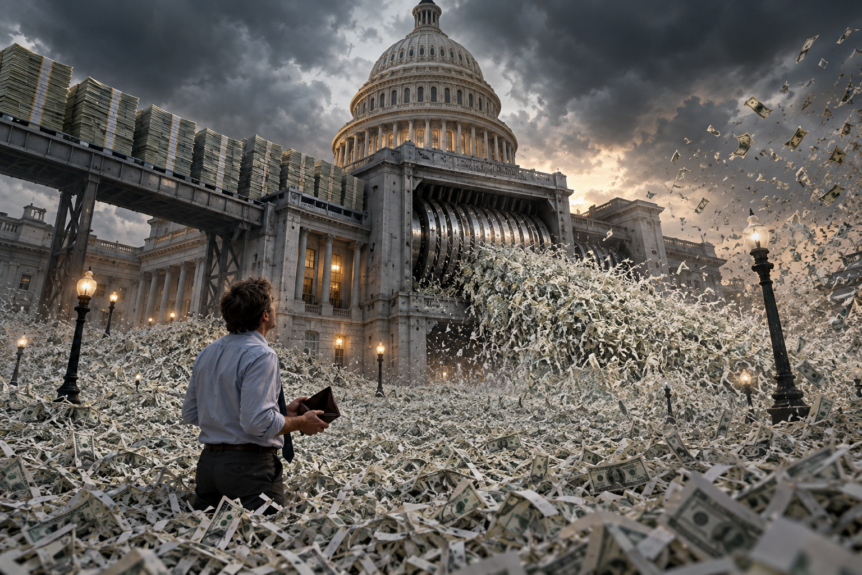
A central bank can only stay truly independent if government spending is kept in check. While inflation-adjusted federal spending has dropped 3.3 percent over the past twelve months, the total national debt remains enormous. In fact, the interest paid on government debt now exceeds total personal savings in the United States.
When debt piles up, politicians face immense pressure to demand lower rates just to make interest payments affordable. That approach provides a temporary boost, but it risks higher inflation and future tax increases.
What This Means for You
A higher-rate environment changes how you should manage your money:
- Cash and Fixed Income: Savers continue to benefit from healthy yields on cash, money markets, and conservative fixed-income holdings.
- Borrowing Costs: Mortgages and loans will remain expensive, making debt management critical.
- Proactive Tax Planning: Mounting national debt puts upward pressure on future tax rates, making forward-looking tax strategies vital for retirement accounts.
Navigating interest rate shifts requires looking at your entire financial picture, not just your investment returns. At Wealthnest Planners, we combine investment management with deep tax planning experience to ensure your wealth is protected against shifting policies.