
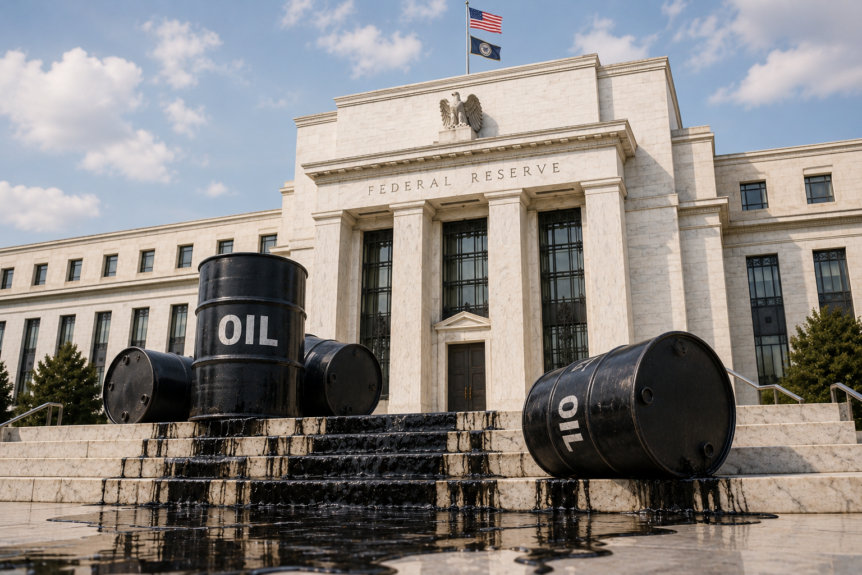
The Federal Reserve has officially entered a new era. Newly minted Fed Chair Kevin Warsh just wrapped up his first meeting, keeping rates steady at 3.50% to 3.75%. While the headlines screamed about his “hawkish” tone, don’t let the media noise rattle your portfolio.
Warsh did drop some old-school discipline in Washington. He stripped down the Fed’s usually wordy statement to a terse, clear mandate: “This committee will deliver price stability.” He also launched five historic task forces to overhaul how the Fed operates. This is a massive shift back to constructive ambiguity, meaning the Fed will react to real-time data rather than trying to predict the future months in advance.
But here is the reality: despite Wall Street fretting over potential rate hikes, pushing rates higher would run directly counter to current administration’s economic growth initiatives. A prolonged hold remains a more pragmatic path forward than a rate increase.
The Real Driver: The $70 Oil Sweet Spot
If you want to know where the market is going, ignore the Fed’s “dot plot” and watch the gas pump. The Fed’s recent inflation anxiety has been largely supply-driven, sparked by geopolitical friction with Iranian-funded proxies. But global markets are highly adaptable. Between surging U.S. energy exports and a global coalition highly motivated to secure trade routes, supply lines are holding.
Crude oil is currently hovering around $74. If West Texas Intermediate (WTI) breaks and holds below $70 per barrel, it is wheels-up for the economy.
When oil drops below that $70 threshold, it acts like an immediate “tax cut” for consumers and businesses alike. Corporate profit margins thrive, and overall prices benefit across the board. Crucially, because this economic tailwind is driven by increased supply rather than excess demand, inflation drops naturally without killing growth. Once energy costs lock into that lower range, the Fed’s hawkish excuse evaporates.
The Bottom Line for Your Wealth
A Fed chair who scraps forward promises means we will see some short-term volatility around economic data releases. But volatility isn’t risk, it’s just noise.
With a steady rate environment, a resilient corporate sector, and moderating energy costs, the economic backdrop remains incredibly solid. Instead of trying to time the Fed’s next word, the smartest move right now is focusing on corporate productivity, robust asset allocation, and aggressive tax-efficiency to keep more of what you earn.
Headlines, interest rate predictions, and market speculation can create plenty of noise, but long-term success is rarely built on reacting to every Fed announcement. A well-designed financial plan focuses on the factors you can control: asset allocation, tax efficiency, cash flow, and aligning your investments with your goals.
If you’d like to discuss how today’s economic environment may impact your portfolio, retirement strategy, or tax planning opportunities, schedule a conversation with a wealthnest® advisor. We’re here to help you make informed decisions with confidence, regardless of what the next Fed meeting brings.
The opinions voiced in this material are for general information only and are not intended to provide specific advice or recommendations for any individual. All performance referenced is historical and is no guarantee of future results.