
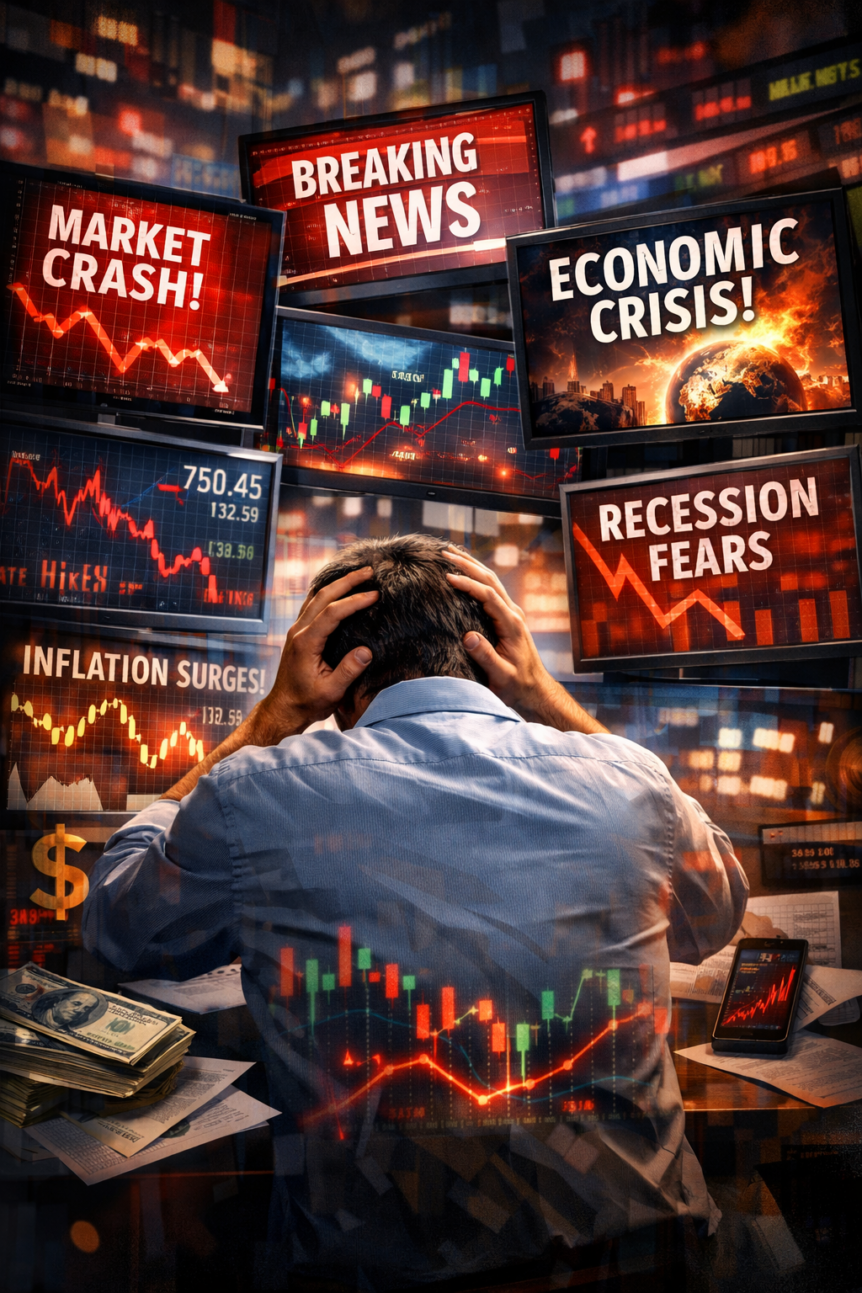
The 24-hour news cycle is a powerful machine. It is designed to capture your attention, and nothing captures attention quite like a geopolitical crisis. Currently, the conflict involving Iran and the broader Middle East is dominating every screen. While the headlines are undeniably serious, successful long-term investing requires the resilience of your portfolio.
Finding the “Off-Ramp” in the Noise
While many analysts are focused on the potential for further escalation, there are credible reasons to maintain an optimistic outlook regarding an off-ramp for this conflict. Historically, even the most entrenched regional tensions reach a point where the cost of continued fighting outweighs the perceived benefits for all parties involved.
Recent diplomatic signals, though often buried under more sensational reports, suggest that regional players are actively seeking de-escalation to protect critical energy infrastructure and trade routes. The global economy’s interdependence acts as a natural tether; no major power truly benefits from a prolonged closure of the Strait of Hormuz or a total breakdown in regional stability. As a Certified Financial Planner, I have seen time and again that markets tend to “climb a wall of worry.” Often, by the time the headlines turn positive, the best opportunities for positioning have already passed.
The Pragmatic Path to Resilience
Resilience is not about avoiding risk entirely. It is about building a structure that can withstand it. Here is how we approach building a weather-proof portfolio at Wealthnest Planners:
- Tax-Efficient Diversification: A common mistake is fleeing to cash during turmoil. This often triggers unnecessary capital gains taxes and leaves you vulnerable to inflation. Instead, we focus on diversifying across asset classes that react differently to geopolitical shocks.
- Quality Over Speculation: In times of uncertainty, quality is your best friend. This means investing in companies with strong balance sheets, predictable cash flows, and the pricing power to navigate inflationary spikes caused by energy disruptions.
- The Power of Personal Planning: The most resilient part of your portfolio should be your financial plan. If your retirement strategy is built on a foundation of solid tax planning and estate preparation, a temporary market dip becomes a footnote rather than a catastrophe.
Staying the Course with Dollar-Cost Averaging
When the headlines turn volatile, the natural human instinct is to pause or retreat. However, history proves that staying the course is often the most productive action an investor can take. One of the most effective tools for managing emotional turbulence is dollar-cost averaging.
By consistently investing a fixed amount at regular intervals, you essentially remove the guesswork of trying to time the market. When prices are down due to geopolitical fears, your fixed investment buys more shares. When the market recovers, those additional shares contribute to growth. This disciplined approach turns market dips into opportunities and prevents the paralysis that often comes from watching the nightly news.
The Wealthnest Perspective
What differentiates our approach is the integration of high-level tax expertise into every investment decision. Geopolitical volatility often creates dislocations, which are moments where the market price of an asset does not match its intrinsic value. By staying calm and maintaining your contribution schedule when the headlines are shouting, we can identify these moments to rebalance or harvest tax losses, turning a stressful market environment into a strategic advantage for your long-term goals.
The goal is not to predict the exact day the conflict ends, but to ensure that your financial house is built to stand regardless of the weather in the Middle East. Focus on the fundamentals, stay disciplined, and remember that the headlines are temporary, but a well-constructed plan is for the long haul.