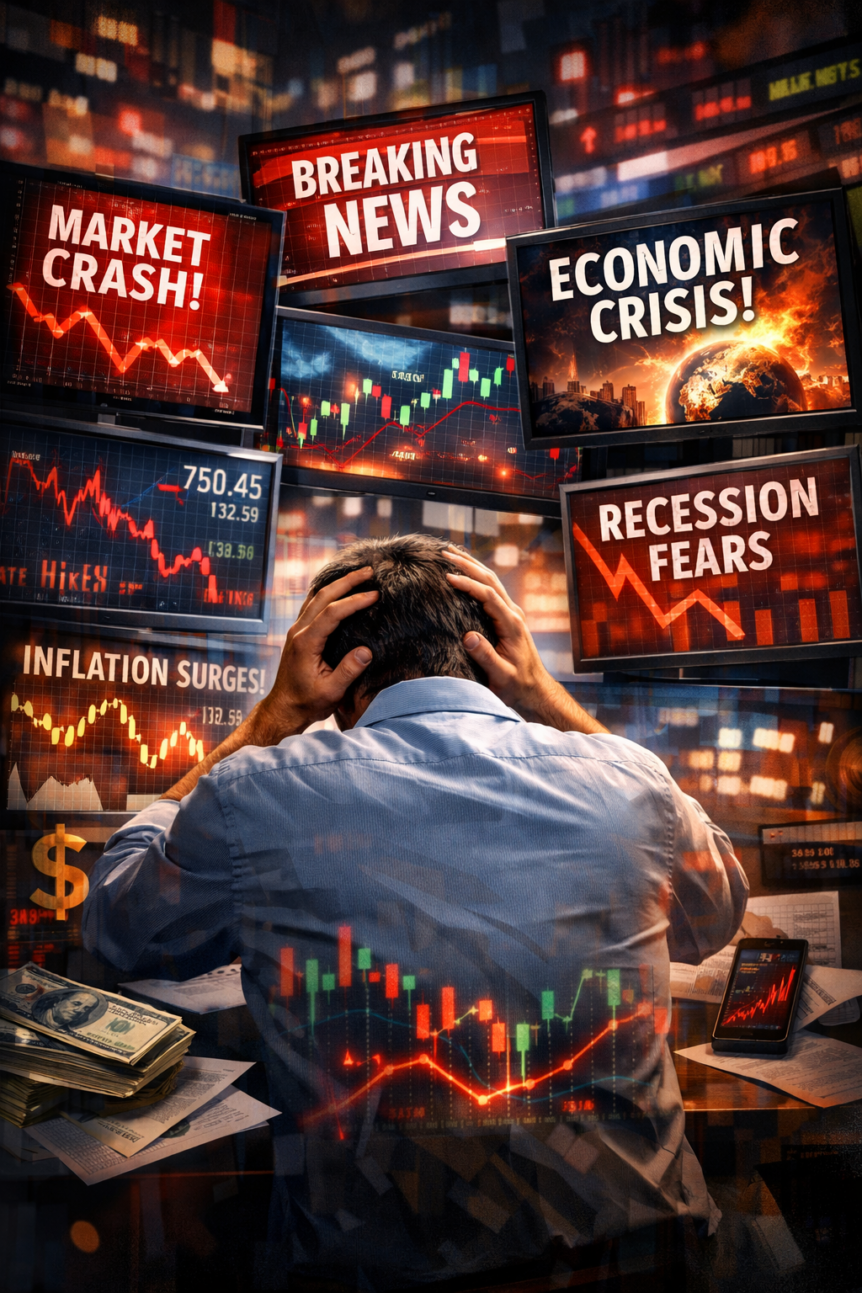
The Federal Reserve has officially entered a new era. Newly minted Fed Chair Kevin Warsh just wrapped up his first meeting, keeping rates steady at 3.50% to 3.75%. While the headlines screamed about his “hawkish” tone, don’t let the media noise rattle your portfolio. Warsh did drop some old-school discipline in Washington. He stripped down the Fed’s usually wordy statement …
The Philanthropic Powerhouse: Is a Donor Advised Fund Right for You?
Charitable giving is rarely just about the check you write. For many, it is about creating a legacy and ensuring that hard-earned capital does as much good as possible. In the current 2026 tax landscape, the Donor Advised Fund (DAF) has solidified its position as a premier vehicle for pragmatic, high-impact giving. A DAF is essentially a dedicated account for …
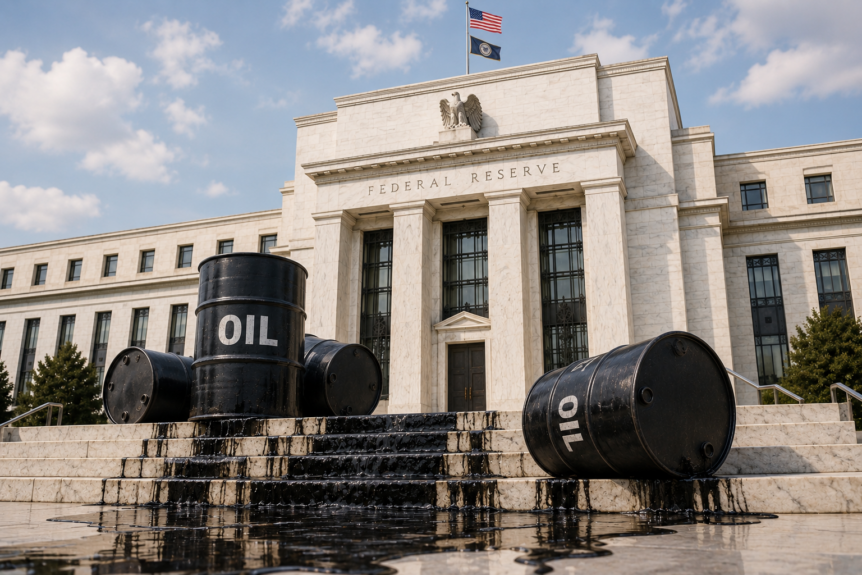
What could Lower Fuel Prices Mean for Your 2026 Portfolio
We have spent much of the last year watching the ticker at the pump with a collective sense of dread. Between geopolitical flare-ups in the Middle East and stubborn “sticky” inflation, the cost of energy has felt like a persistent drag on the American pocketbook. However, as we look toward the back half of 2026, the tide appears to be …
Beyond the Headlines: Building Portfolio Resilience in a Volatile World
The 24-hour news cycle is a powerful machine. It is designed to capture your attention, and nothing captures attention quite like a geopolitical crisis. Currently, the conflict involving Iran and the broader Middle East is dominating every screen. While the headlines are undeniably serious, successful long-term investing requires the resilience of your portfolio. Finding the “Off-Ramp” in the Noise While …
The “April 15th Audible”: Last-Minute Moves to Lower Your 2025 Tax Bill
Most people believe that once the ball dropped on New Year’s Eve, their opportunity to impact their 2025 tax bill vanished. While it is true that many big-ticket items require action before December 31, there are several powerful “retroactive” moves you can make right now. At Wealthnest, we view the weeks leading up to the April 15 filing deadline as …
The CLARITY Act: Growing Pains or Crypto’s “Grown-Up” Era?
What’s the Big Deal with CLARITY? Right now, the biggest headache for the industry is “regulation by enforcement.” Basically, companies are guessing whether their tokens are “securities” (regulated by the SEC) or “commodities” (regulated by the Commodity Futures Trading Commission, CFTC). The CLARITY Act aims to draw a hard line in the sand: When will it actually pass? Despite the …
The Case for Aggressive Rate Cuts: Easing the Burden of Debt Service
The national deficit and debt service percentage are critical economic indicators that offer insights into a country’s fiscal health. As of January 2026, the challenges and opportunities around the U.S. national debt are particularly relevant, especially as interest rates and inflation data evolve. The data below highlights the dual pressures that the federal budget faces, servicing debt and fulfilling entitlements. …
The Mighty HSA
A Health Savings Account (HSA) is a straightforward and powerful tool designed to help you save for medical expenses while also providing some fantastic tax benefits. If you’re new to HSAs, understanding how they work and their advantages can help you make smart financial choices for your health and future. What Is an HSA? An HSA is a special savings …
Year-end Roth Conversion?
Roth conversions of pre-tax IRA’s have become a prominent topic in retirement planning, offering significant advantages such as tax-free withdrawals in retirement and no required minimum distributions (RMDs). However, determining whether a Roth conversion is right for you depends on several pivotal criteria. Key Criteria for Roth Conversions Current and Future Tax RatesOne of the most critical factors in deciding …
The First 10 Years of Retirement Matter More Than the Next 20
Most people view retirement planning as a long-term horizon, but what matters most is not the full timeline. It is the first decade. The first 10 years set the financial trajectory for the next 20. If these foundational years are not structured intentionally, retirees may face higher taxes, unnecessary withdrawals, and volatile income patterns that reduce long-term confidence. This phase …